


Buying a home in 2026 is about more than square footage and curb appeal. Today’s buyers — especially first-time homebuyers, growing families, and move-up buyers — are looking for homes that fit the way they actually live every day.
In markets like the Northern California East Bay and Idaho’s Treasure Valley, buyers are balancing lifestyle, commute, monthly budget, and long-term livability more carefully than ever. The good news? A dream home does not have to mean “everything imaginable.” It means finding the right mix of must-have features, practical function, and future-ready design.
Whether you’re buying your first home in Pittsburg, Concord, Fairfield, or Chico, or searching for more space and flexibility in Eagle, Star, or the greater Boise area, here are the top home trends and must-have questions to help guide your search.
What Makes a Dream Home in 2026?
The biggest home trends for 2026 point to a simple shift: buyers want homes that are smarter, more efficient, more flexible, and easier to live in.
Instead of asking, “What sounds impressive?” many buyers are asking:
- Will this layout work for my everyday routine?
- Does this home give me enough storage and flexibility?
- Will it help lower my monthly costs?
- Can it adapt as my family grows or my needs change?
For many buyers, the dream home in 2026 includes:
- Flexible floor plans with space for remote work, guests, hobbies, or multigenerational living
- Open, functional kitchens with islands, pantry space, and room to gather
- Indoor-outdoor living with patios, yards, or covered outdoor spaces
- Energy-efficient construction that helps reduce utility costs
- Smart home features that make daily life easier
- Extra storage, mudrooms, laundry rooms, and garages that support real life
- Move-in ready finishes and lower-maintenance living
These trends are especially important in high-demand regions like the East Bay and Treasure Valley, where buyers want to make every dollar count and choose a home they can enjoy for years to come and appreciate in value.

Start With Your Lifestyle and Daily Routine
Before you create your dream-home wish list, start with how you actually live:
How many bedrooms and bathrooms do I need versus want?
It is easy to fall in love with extra space, but it helps to separate true needs from nice-to-haves. For a first-time buyer, an extra bedroom may serve as a guest room, nursery, playroom, or office. For growing families, that flexibility can be a major advantage.
Do I need a dedicated office or workspace for remote work?
One of the biggest 2026 must-haves is a flex room or dedicated office. Even buyers who do not work from home full-time often want a quiet area for video calls, homework, household organization, or creative projects.
How important is outdoor space?
Outdoor living continues to be a top priority. A backyard, patio, balcony, or covered California room can add valuable everyday living space. In the East Bay, buyers often love easy access to outdoor entertaining and year-round use. In the Treasure Valley, larger lots and open-air living are often part of the appeal.
Do I cook often enough to need a large or updated kitchen?
In 2026, the kitchen remains one of the most desired features in a new home. Buyers are drawn to:
- large islands
- walk-in pantries
- open-concept layouts
- modern appliances
- more storage and prep space
For many families, the kitchen is not just where meals happen — it is where daily life happens.
Is a garage or additional storage a deal breaker?
Storage is one of the most underrated must-haves. A two-car garage, extra storage space, mudroom, or dedicated laundry room can make a huge difference in keeping daily life organized.
Would a single-story or two-story home better suit my lifestyle?
This comes down to both present comfort and future needs. Some buyers prefer the separation and larger footprint of a two-story home, while others prioritize the accessibility and convenience of single-story living.

Think About Location and Commute
No matter how beautiful a home is, location still matters just as much as the floor plan.
What’s my maximum acceptable commute time to work or school?
Many East Bay buyers are weighing commute access to major job centers, BART, freeways, and regional employers. Treasure Valley buyers may prioritize access to Boise, Meridian, or major commuter routes while still wanting more space and value.
Do I need to be near public transit like BART or bus lines?
For Northern California buyers, transit access can be a major quality-of-life factor. Being close to BART or key commute corridors can add convenience and long-term resale appeal.
Is being in a walkable neighborhood important?
Some buyers want nearby coffee shops, parks, schools, and errands within easy reach. Others are happier in a quieter neighborhood with a little more space.
Do I want to be close to family, friends, or specific schools?
Sometimes the right home is not just about the house itself — it is about being near the people and places that support your lifestyle.

Consider the Community and Neighborhood
A dream home should feel right inside and outside the front door.
Do I want a quiet, suburban setting or a busier, more urban area?
Buyers in the East Bay may compare suburban neighborhoods in places like Fairfield, Concord, or Pittsburg with more connected, centrally located communities. In the Treasure Valley, buyers often weigh peaceful neighborhood living against access to downtown Boise, shopping, dining, and recreation.
How important are nearby amenities like parks, grocery stores, or gyms?
In 2026, community amenities matter. Proximity to trails, parks, shopping, dining, fitness, and schools can shape how a home feels day to day.
Is being in a strong school district important?
Even buyers without children often consider school districts because they can affect long-term value and resale appeal.

Home Condition and Style: What Kind of Home Fits You Best?
This is where many buyers begin to narrow in on whether new construction is the right choice.
Do I want something move-in ready, or am I open to doing renovations?
Many first-time buyers prefer a home that is ready from day one. Renovations can sound exciting, but they also add cost, time, and uncertainty.
Is a newer home or new construction a must-have?
For many buyers in 2026, the answer is yes. New construction homes often offer:
- modern layouts
- updated kitchens and bathrooms
- better energy efficiency
- smart home technology
- lower maintenance
- warranties and peace of mind
This can be especially appealing for buyers who want predictability in both upkeep and monthly costs.
Am I okay with an older home if it has charm or character?
Older homes may offer mature neighborhoods or architectural character, but they can also come with tradeoffs like outdated systems, less efficient windows and insulation, or floor plans that do not match modern living.
Are energy efficiency or smart home features a priority?
They are becoming a priority for more buyers every year. In 2026, dream-home must-haves often include:
- energy-efficient appliances
- dual-pane or high-performance windows
- better insulation
- smart thermostats
- EV charging readiness
- water-saving fixtures
- connected doorbells, locks, and security features
These upgrades can help support comfort, convenience, and lower monthly utility costs.
See our post on the benefits of purchasing new construction vs. older homes.

Financial Priorities: Dream Big, But Buy Smart
A dream home should support your future, not strain it.
What’s my absolute maximum budget, and what would stretch me too thin?
Before you shop seriously, define your comfort zone. It helps to know both your approval range and the monthly payment that feels realistic.
Would I rather pay more for location, or settle a little farther out to get more space?
This is one of the biggest questions in both the East Bay and Treasure Valley. Some buyers choose a shorter commute or closer-in location. Others are willing to go a little farther for a larger home, yard, or newer community.
What monthly payment am I truly comfortable with?
Do not just look at principal and interest. Be sure to factor in:
- property taxes
- homeowners insurance
- HOA dues, if applicable
- utilities
- commuting costs
- maintenance and upkeep
Am I open to alternative options while I save?
Depending on your timeline, options like leasing, saving for a larger down payment, or exploring builder incentives may help you get closer to your goals.
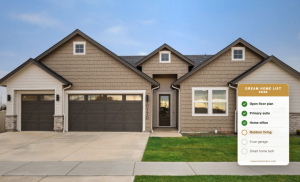
The 2026 New Home Must-Have Checklist
As you build your wish list, here are some of the most common 2026 dream-home must-haves for buyers in Northern California and Idaho:
- A flexible layout with space for work, guests, or changing family needs
- An open kitchen with island, pantry, and everyday gathering space
- Outdoor living space such as a yard, patio, or covered room
- Energy-efficient design and lower monthly operating costs
- Smart home features for comfort, convenience, and security
- Extra storage, garage space, mudroom, or dedicated laundry room
- Move-in ready finishes and lower-maintenance living
- A location that supports commute, schools, and daily routine
- Community amenities like parks, trails, and nearby shopping
- A home that can grow with you over time
The Final Deal-Breaker Test
Once you create your list of must-haves, ask yourself one simple question:
Would I walk away from an otherwise perfect home if it did not have this feature?
If the answer is probably not, it may belong on your nice-to-have list instead. That small mindset shift can make your search feel clearer, less overwhelming, and more focused on what truly matters.
Extra Tip! Print out this checklist, fill it out and hand it to your real estate or sales agent!